Interactive Museum Exhibits
Interactive exhibits for museums, science centres and cultural institutions that visitors touch, move and play with.
Overview
Museum visitors learn by doing. They want to touch, move, play, ask and discover, and they remember what they explored far longer than what they read on a panel. The challenge for a museum or science centre is making that interaction reliable for years, through school groups, summer crowds and staff changes.
Acid Concepts designs, builds and integrates interactive museum exhibits for museums, science centres, children's museums and cultural institutions. We create the interactive software, the sensing, the displays and projection, and the control systems, and we work alongside your exhibit designers, fabricators and curators to deliver the digital and interactive packages of a gallery.
What are interactive museum exhibits?
Interactive museum exhibits are displays that respond to visitors instead of simply presenting information. They can be quiet and contemplative or loud and physical, digital or a blend of digital and physical.
Examples we design and build:
- Interactive walls and multi-touch tables for exploring collections, timelines, maps and stories in groups
- Gesture and body-based exhibits where visitors move to explore science, nature or history
- Interactive projection floors and walls that react to footsteps and movement
- Immersive galleries and projection rooms that surround visitors with a story
- Sensor-driven physical play that connects real objects, buttons or movement with digital responses
- Sound installations and spatial audio that bring a space to life
- Digital donor and sponsor recognition that fits inside the visitor experience
- Custom visitor interfaces, including AI-guided tours and intelligent search
Who interactive exhibits are for
- Museums and history museums renewing permanent galleries or launching temporary exhibitions
- Science centres that need durable, hands-on interactives for all ages
- Children's museums where physical, playful interaction is the point
- Cultural, heritage and community centres telling the story of a people, place or idea
- Visitor centres and attractions that need to educate and entertain at once
- Exhibit design and fabrication firms that want a technical partner for the interactive and digital scope
We usually work with Directors of Exhibits or Exhibit Production, curators and education teams, and often with development and philanthropy leads when recognition or sponsorship is part of the project. If your exhibit firm already holds some packages, we can take on the interactive or digital packages that are still open.
How interactive museum exhibits work: hardware and software
Hardware
- Displays. Commercial LCD and LED, ultra-narrow bezel video walls and touch tables, specified for long daily run times.
- Projection. Blended projectors for walls, floors and immersive rooms, plus projection mapping onto objects and scenic elements.
- Sensing. Multi-touch, our own IR-based touch and touchless sensing, depth cameras for gesture and body tracking, and presence sensors.
- Physical interfaces. Buttons, dials, objects and props connected to the digital experience, built to survive enthusiastic hands.
- Audio and lighting. Directional sound, spatial audio and lighting cues integrated with the exhibit.
- Control. Centralized show control so staff can open and close the gallery with one action.
Software
- Custom interactive applications designed for the exhibit's learning goals and audiences
- Content management so curators can update text, images and stories without a developer
- Multi-display synchronization and centralized control
- Accessibility and multilingual options
- Monitoring and health checks across every exhibit, with alerts before visitors notice a problem
- Backend architecture designed for reliability and future expansion
Most exhibit failures are not about the interface. They are about content pipelines, control and maintenance. We design those invisible systems as carefully as the screens.
Our process and timeline
- Discovery call (free, 20 minutes). The gallery, the audiences, the learning goals and which packages are still open.
- Strategy and concept. 2-3 concept directions for the interactives, a realistic scope and timeline, and comparable projects.
- Design, prototype and build, in-house. Interaction design, software, content integration and hardware specification. We prototype interactives early so curators and educators can test them with real visitors.
- Installation and commissioning. Coordinated with your exhibit fabricator and construction schedule, then calibration and staff training.
- Support. Monitoring, updates and maintenance for the life of the exhibit.
Museum timelines follow the opening date, fabrication schedule and funding milestones. Tell us your opening date in the first conversation, and we will confirm a realistic schedule after discovery.
What shapes the scope of interactive museum exhibits
Every gallery has its own audiences, collection and opening date, so we scope each package individually. The things that shape the project are:
- Size: the number of interactives and how they are spread across the gallery.
- Hardware: displays, projection, sensors and physical interfaces, and whether your fabricator supplies any of it.
- Content: how much content is produced or integrated from your curators and archives.
- Interactivity: how custom each experience is and how many visitors use it at once.
- Integration: coordination with the exhibit designer, fabricator and other contractors, plus durability requirements.
- Timeline: your opening date and install window.
- Support: monitoring, updates and maintenance over the life of the exhibit.
Every project is scoped individually — tell us about yours.
Museum and cultural projects
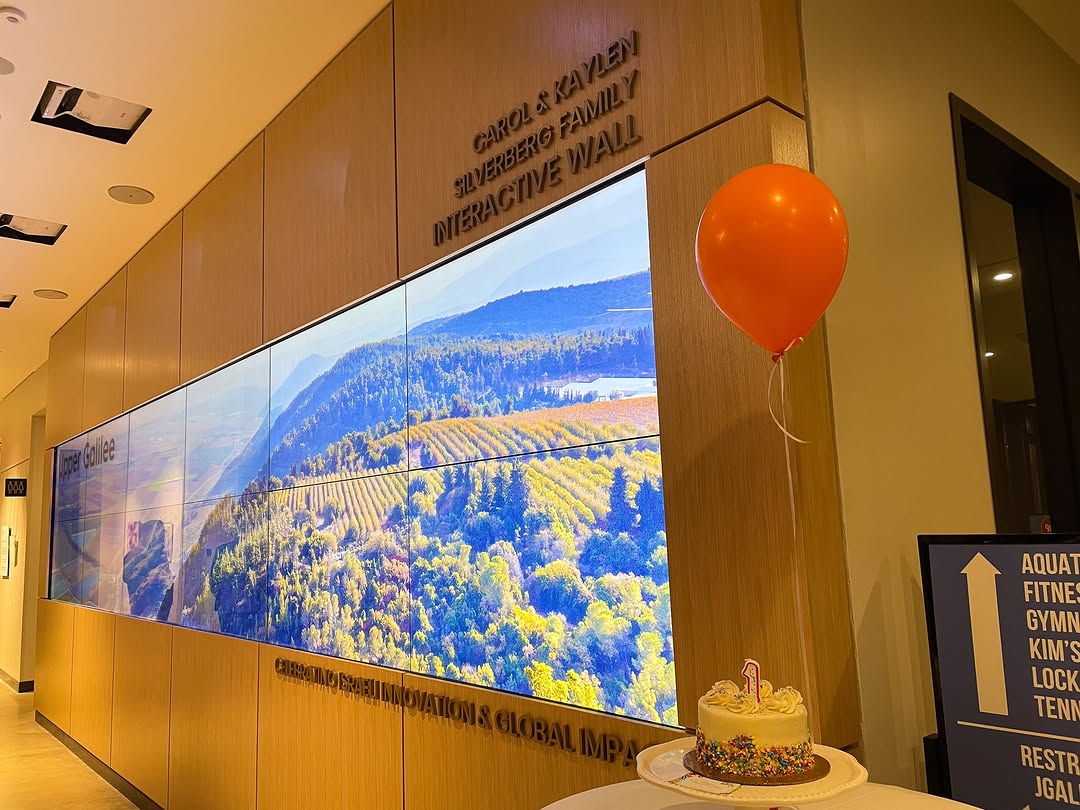
Shalom Austin, Interactive Israel Wall. A large-scale, permanent, multi-touch installation at the Dell Jewish Community Center celebrating Israeli innovation and culture, delivered with our partner Lusens. We handled the technical build and integration alongside our creative partners: multi-display configuration, centralized control and content synchronization, touch systems for public use and a backend built for reliability, delivering museum-grade performance in a live community environment that serves thousands of visitors each year. See the Interactive Israel Wall project.
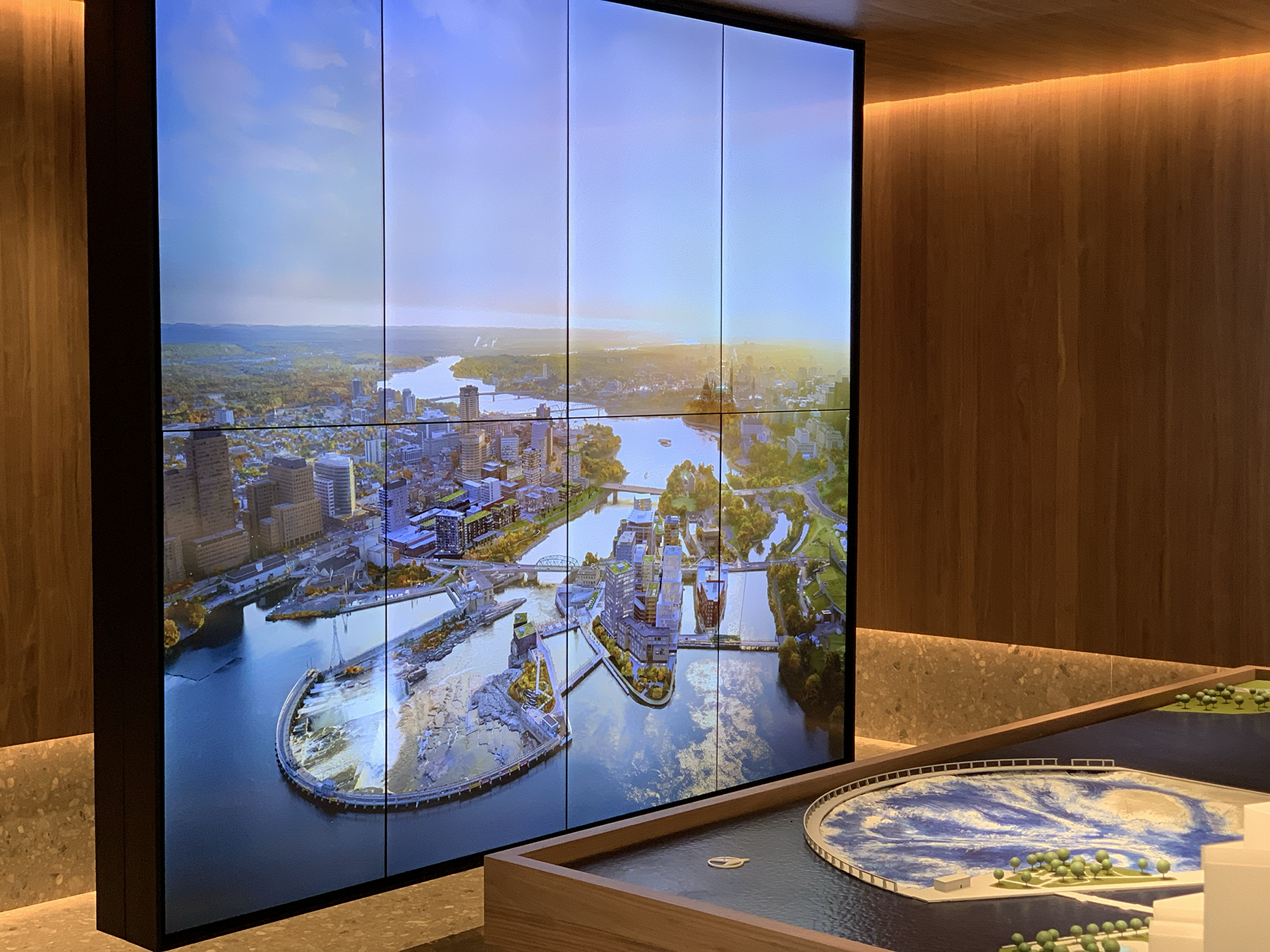
Zibi Sales & Discovery Centre. A public-facing discovery environment that turned complex urban planning and sustainability information into a clear, engaging visitor experience, supporting guided tours, public exhibitions and self-directed exploration. See the Zibi project.
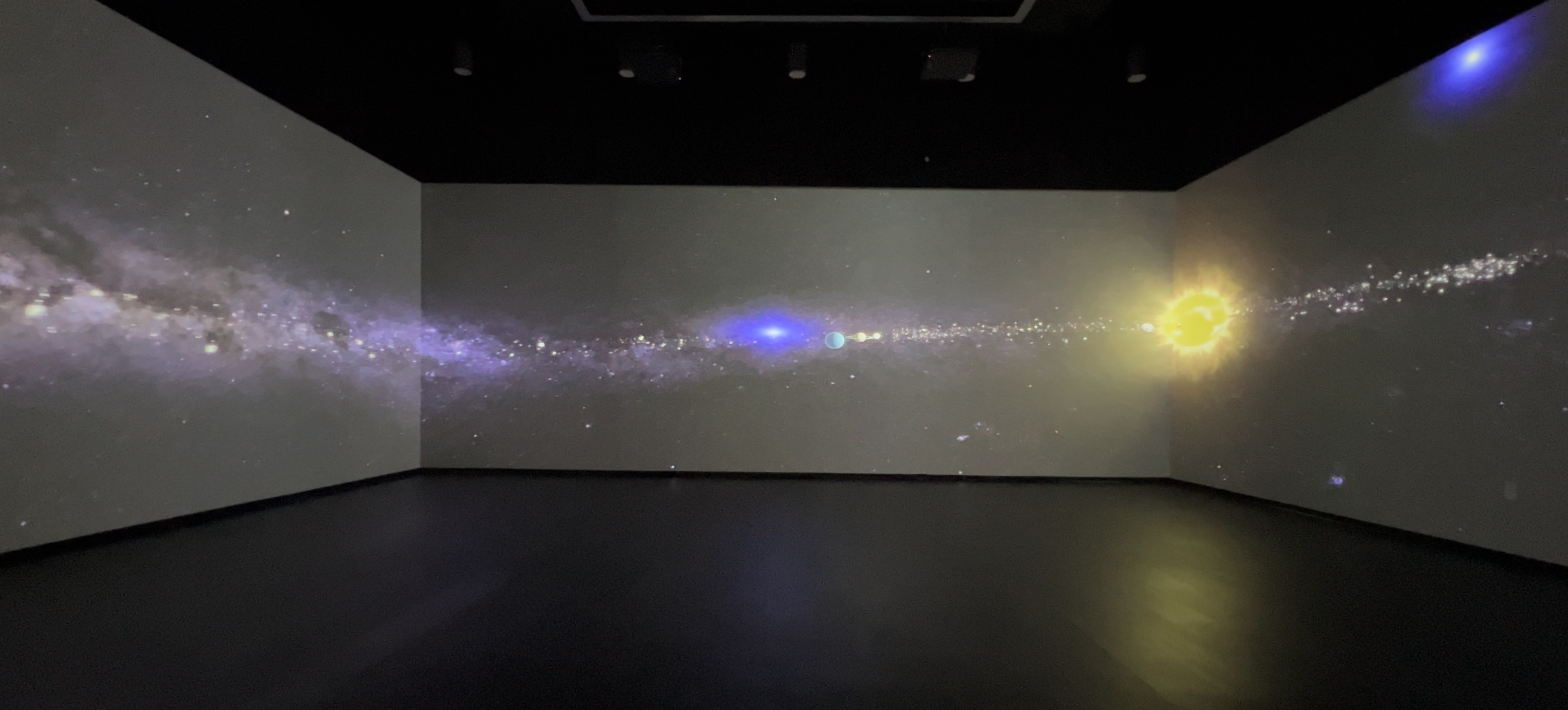
Nongshim USA, Immersive Room. A narrative immersive room that takes visitors from the origins of the universe through the evolution of life, using wall-to-wall projection and spatial sound, designed for guided, repeatable group visits. See the Nongshim project.
U.S. Naval War College, Alumni Hall of Fame & Donor Wall. A digital donor recognition wall and hall of fame in Spruance Hall, delivered with our partner Lusens.
FAQs
What are interactive museum exhibits?
Interactive museum exhibits are displays that respond to visitors through touch, movement, sound or physical objects, so people explore and learn by doing rather than only reading or watching.
What shapes the scope of an interactive museum exhibit?
The number of interactives, how custom each one is, content production, durability requirements, coordination with other contractors, your opening date and the support you need. Every project is scoped individually, so tell us about yours.
Can you work with our existing exhibit designer or fabricator?
Yes. We can deliver the interactive and digital packages alongside the main exhibit firm, coordinating hardware, mounting and schedules with their team.
How do you make interactive exhibits durable?
We specify commercial hardware for long daily run times, design physical interfaces for heavy use, build in monitoring and health checks, and give staff simple controls and remote support.
Can museum staff update exhibit content themselves?
Yes. We build content management tools so curators and education staff can update text, images and stories without a developer.
What are good interactive exhibit ideas for a science centre?
Popular options include gesture and body-tracking exhibits, interactive projection floors, multi-touch tables for group exploration, sensor-driven physical play and immersive projection rooms. The right mix depends on your learning goals and visitors.
Start a project
Planning a new gallery or exhibit? Tell us about your audiences, your opening date and which interactive packages are still open. In a 20-minute call we will share concept ideas, a realistic scope and timeline, and similar projects.
Discuss your project
Related services
- Interactive Projection: interactive projection floors, walls and projection mapping
- Recognition and Legacy Walls: digital donor walls for cultural institutions
- AI Integrated Experiences: gesture recognition and motion tracking
Key features
- Interactive walls and multi-touch tables for collections, timelines and maps
- Gesture and body-based exhibits
- Interactive projection floors and walls
- Immersive galleries and projection rooms
- Sensor-driven physical play and spatial sound
- Content management so curators can update stories without a developer
Benefits
- Visitors learn by doing and remember what they explored
- Commercial hardware specified for long daily run times
- Monitoring and health checks that catch problems before visitors do
- Works alongside your exhibit designers, fabricators and curators
Talk to us about Interactive Museum Exhibits
Tell us about your space and goals and we'll propose a turn-key approach. Start your project.