Invisible Systems and the Cost of Getting Them Wrong
By Acid Concepts · · 2 min read
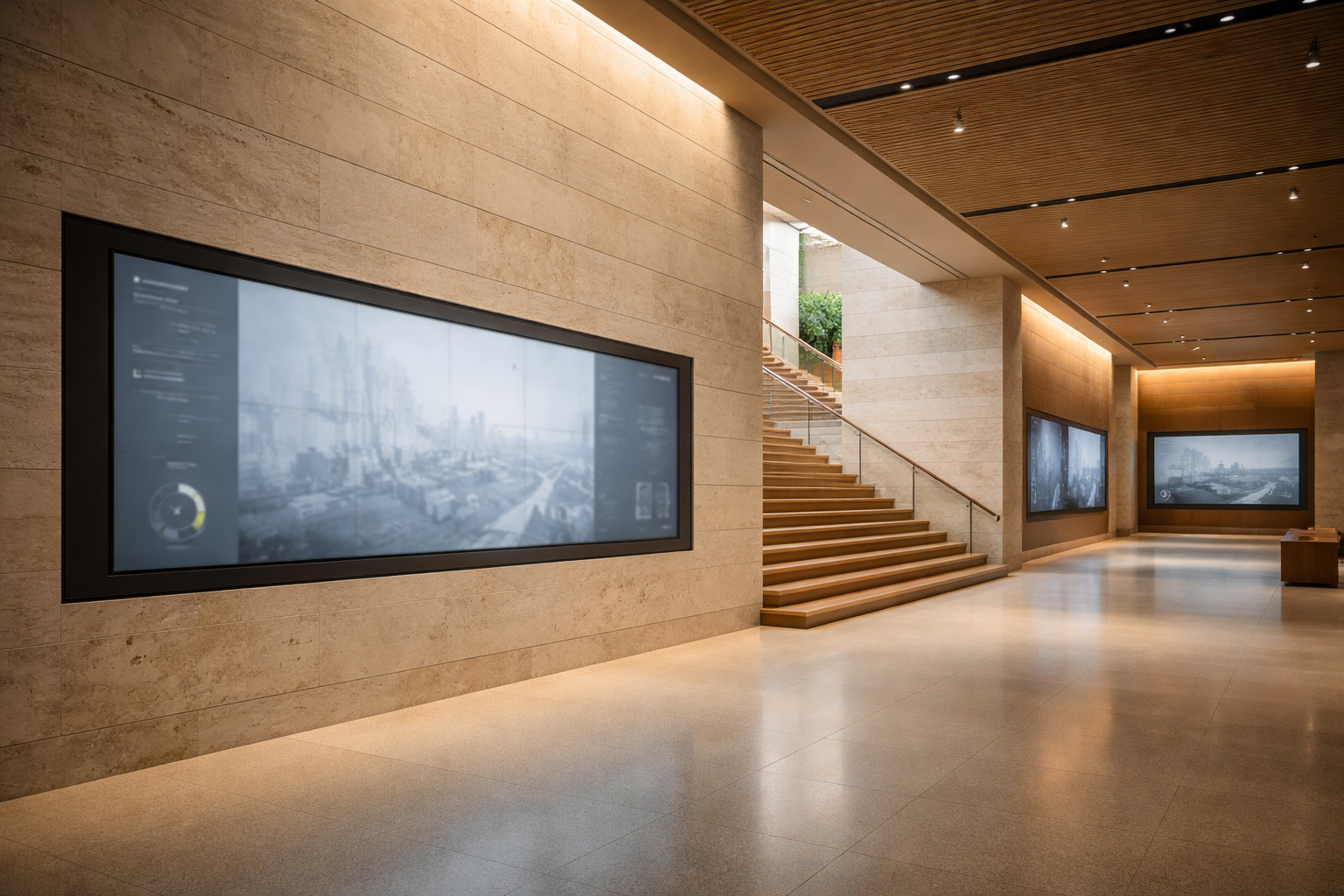
Interfaces are what people notice, but systems are what they live with. Content pipelines, control logic, and infrastructure quietly determine whether an experience feels reliable or frustrating over time. When invisible systems are designed poorly, the experience fails without a clear moment of failure.
Most people notice interfaces. They comment on screens, visuals, and interaction. But what they actually live with are systems.Systems decide whether something works on day one and whether it still works years later. They determine reliability, clarity, and trust long after the novelty has worn off. When systems are designed well, they are invisible. When they are not, the cost shows up everywhere.
Invisible systems sit beneath almost every modern experience. Content pipelines, control logic, networks, hardware coordination, monitoring, governance, and operational handoff. These layers are rarely discussed in public facing narratives, yet they shape how people experience a space more than any visible interface.
When these systems are weak, the experience degrades quietly. Screens freeze or go dark. Content becomes outdated. Staff avoid using the system because it feels unreliable. Maintenance becomes reactive instead of planned. Eventually the experience is labeled as underused, confusing, or ineffective, even though the real problem was never the interface.
This is why many experiences fail without a clear moment of failure. Nothing breaks dramatically. Instead, confidence erodes. People hesitate. Staff invent workarounds. Decision making slows. The system technically works, but no one trusts it.
The cost of getting invisible systems wrong is rarely captured in a single line item. It appears as wasted capital, increased operational burden, reputational damage, and missed opportunities. In commercial environments it shows up as longer sales cycles. In cultural and institutional spaces it shows up as disengagement. In hospitality it shows up as friction instead of ease.
Good systems design is not about adding complexity. It is about managing it. Mature systems anticipate change, failure, and growth. They account for how content is updated, who owns decisions, how issues are detected, and how the system behaves under stress. They are designed for the people who will operate them long after the designers have left.
When invisible systems are done well, technology becomes dependable rather than impressive. The experience feels calm. Information appears when it is needed. Nothing draws attention to itself unnecessarily. Users do not think about the system at all, which is the point.
This does not mean technology is hidden. It means it is placed correctly. Visibility is intentional. Control is distributed thoughtfully. Interfaces are shaped by the system beneath them rather than the other way around.
At Acid Concepts, we design technology as infrastructure for experience. We focus on the systems that allow environments to function clearly and confidently over time. The success of this work is rarely announced, but it is felt every day through reliability, trust, and ease of use.
The most successful experiences are not remembered for their features. They are remembered because nothing got in the way.
This article is part of an ongoing series on experience-led technology design.
Discuss this with our team: start your project.