When Technology Belongs in Physical Spaces and When It Does Not
By Acid Concepts · · 2 min read
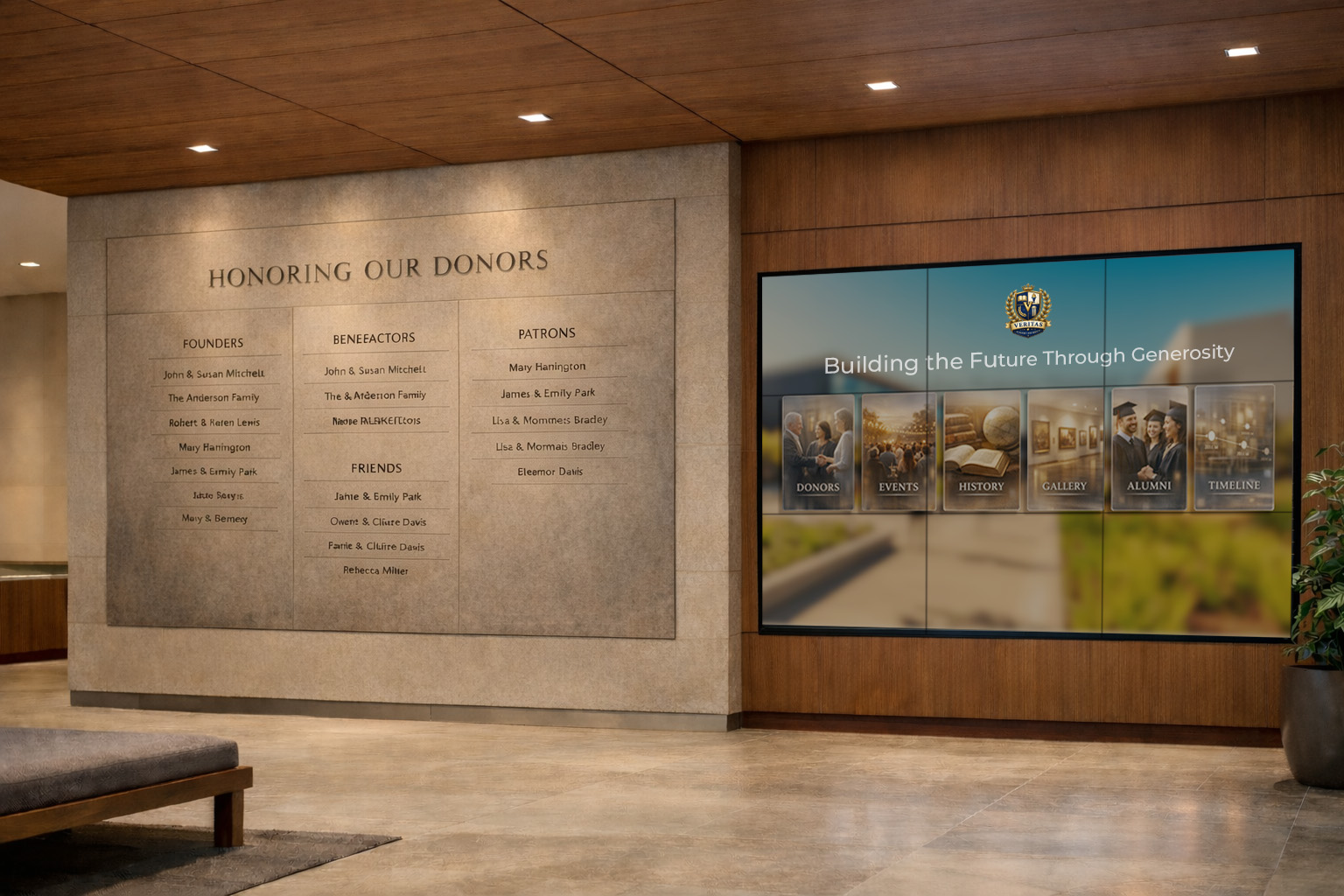
Not every wall should be digital. Not every space benefits from a screen. This article explores when technology enhances physical environments and when restraint creates more value.
Technology Is Not NeutralDigital installations are powerful. They can tell stories, preserve memory, and connect people across time.
They can also distract, overwhelm, and reduce meaning if placed without intention.
The question is not whether technology is impressive. The question is whether it belongs.
Physical Spaces Already Communicate
Architecture speaks.
Materials communicate permanence.
Light communicates tone.
Scale communicates importance.
When digital systems are introduced, they enter an existing conversation. If they do not respect that conversation, they interrupt it.
Technology should extend the language of the space, not compete with it.
When Technology Belongs
Technology belongs in physical spaces when it does at least one of the following:
- Preserves stories that would otherwise be lost
- Adapts to change without requiring reconstruction
- Connects people to meaning, not just information
- Supports visibility of contributions over time
- Integrates naturally with architectural intent
In these cases, digital systems add depth rather than noise.
When recognition systems share human stories across generations, technology becomes a steward of memory. When interactive spaces guide visitors thoughtfully, technology becomes an extension of design.
When Technology Does Not Belong
Technology does not belong when it is installed because it feels modern.
It does not belong when it:
- Exists only to fill a wall
- Adds motion without purpose
- Competes with the architecture
- Replaces physical materials that already communicate meaning
- Becomes difficult to maintain or update responsibly
A screen without intention quickly becomes background noise.
Silence can carry more weight than animation.
Permanence Still Matters
Digital systems allow flexibility, but permanence still holds value.
Stone, metal, wood, and engraved surfaces communicate stability. They signal commitment. In some spaces, that permanence is exactly what is needed.
Technology should not replace materials that already express meaning effectively. It should be introduced where adaptability is essential and where stories continue to evolve.
Restraint is part of design maturity.
Designing With Restraint
Good design is not about maximizing technology. It is about choosing it carefully.
A thoughtful approach asks:
- What does this space need to communicate
- What must remain constant
- What will change over time
- Who is the audience
- What emotion should be felt
Only after answering these questions should technology be considered.
Technology Should Disappear Into Purpose
The best digital installations are rarely noticed as technology.
They feel natural.
They feel intentional.
They feel integrated.
When people focus on the story rather than the screen, the design has succeeded.
Final Thought
Technology in physical spaces is not a default solution. It is a design decision.
When introduced with care, it can preserve memory, support recognition, and deepen engagement. When introduced without intention, it diminishes the space it occupies.
The responsibility is not to install more technology. It is to install the right amount, in the right place, for the right reason.
Discuss this with our team: start your project.